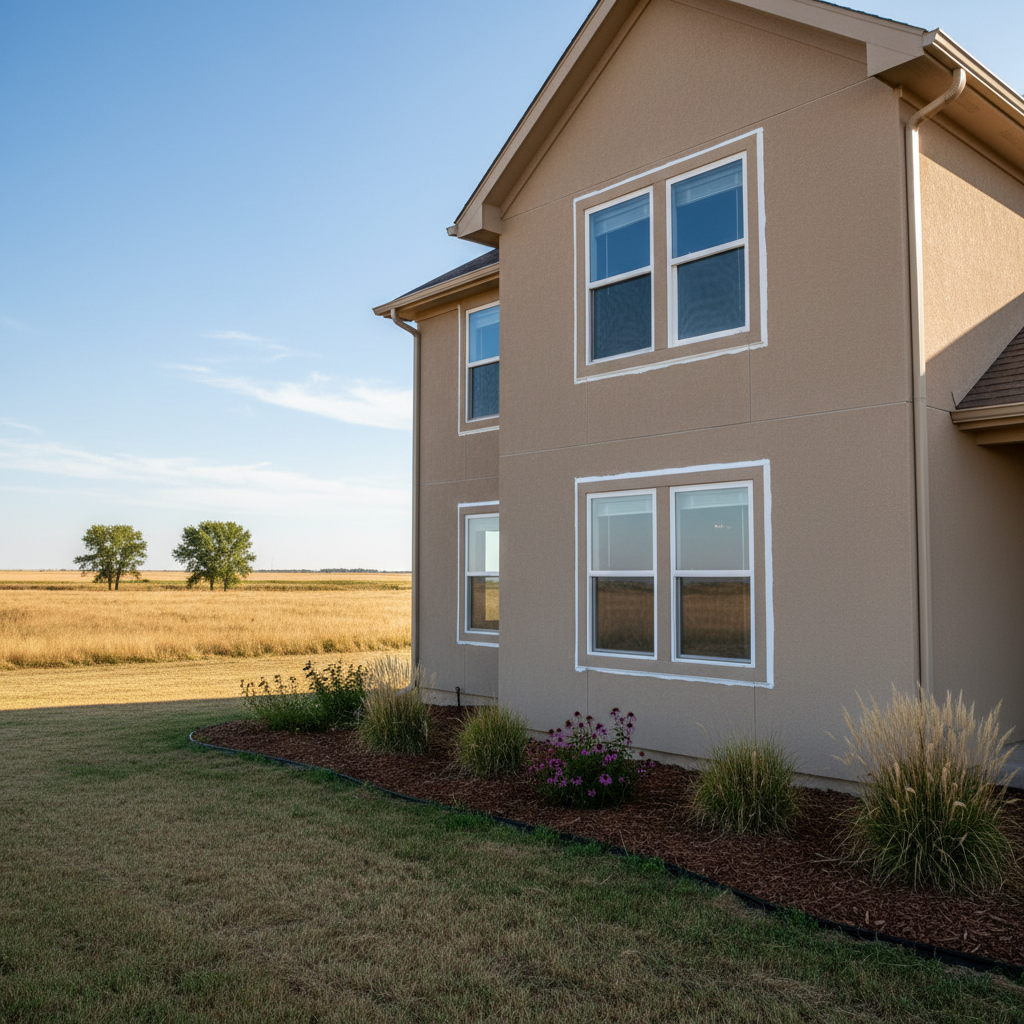
Alright, let's talk about window caulking and sealing. It's one of those jobs folks often put off, but it's really important for keeping your home comfortable and your energy bills down, especially with our wild Kansas weather swings. You don't want those hot summer winds or freezing winter blasts sneaking through cracks around your windows, do you?
When's the Best Time to Seal Your Windows?
Timing is pretty crucial for a good caulk job. You can't just slap it on whenever. Ideally, you want to do this when temperatures are moderate—not too hot, not too cold. Here in Garden City, that usually means late spring or early fall. Think April, May, September, or October.
- Why not summer? It gets too hot, and the caulk can cure too fast. Or it might even get too gooey to work with properly. Plus, you're dealing with extreme expansion and contraction of your house materials.
- Why not winter? Freezing temperatures make caulk brittle, and it won't stick right. You need a dry, clean surface that's not frozen solid.
- What about rain? You absolutely need dry conditions. Moisture is the enemy of a good seal. So, check the forecast and pick a stretch of dry days.
Planning ahead for this means you're not scrambling when the weather turns nasty. A good seal done in the right conditions will last you years.
What to Expect During the Caulking and Sealing Process
When you hire someone, or if you're doing it yourself, here's the general rundown of what's involved. It's more than just squirting some goo into a gap, believe me.
First, the old stuff has to come out. This is often the most time-consuming part. Old, cracked, or failing caulk needs to be completely removed. If you leave it, the new caulk won't stick properly, and you'll be right back where you started in a year or two. This can involve scraping, cutting, and sometimes even a little sanding to get a clean surface.
Next, the surfaces need cleaning. Thoroughly. Dust, dirt, paint chips, and any residue will prevent proper adhesion. We're talking about wiping it down, maybe even using a specialized cleaner depending on the material. Then, everything needs to dry completely.
After that, the actual application begins. A good contractor uses the right type of caulk for your specific windows and home materials—silicone, acrylic latex, polyurethane, you name it. They'll apply it smoothly and consistently, making sure you get a complete seal without huge globs or gaps. They'll also tool it properly, which means smoothing it out with a finger or a special tool to ensure good contact and a neat finish. This isn't just for looks; it helps the caulk perform better.
Finally, there's the curing time. Most caulks need a certain amount of time to fully dry and harden before they're exposed to harsh weather. Your contractor should tell you how long to keep an eye on it and avoid disturbing it.
How to Prepare Your Home for the Project
You can help make the job go smoother and faster, which sometimes even saves you a little money.
- Clear the area: Move any furniture, plants, or decorations away from the windows, both inside and out. This gives the crew plenty of room to work safely and efficiently.
- Trim bushes and trees: If you've got overgrown shrubs pressing right up against your house, especially common in some of the older neighborhoods near downtown, trim them back. It's a pain for us to work around them, and it can scratch up your siding or the window frames.
- Clean your windows: A basic wash of the window frames and surrounding siding can help. It removes loose dirt and makes the contractor's prep work easier.
- Secure pets: Keep your furry friends in a safe, enclosed area where they won't get underfoot or escape through an open door while workers are moving in and out.
- Plan for access: If you have locked gates or specific access points, make sure they're unlocked or communicate how to get in.
Doing these things upfront shows us you're serious about the project, and it just makes the whole process less stressful for everyone.
Questions to Ask Before Signing a Contract
Don't just go with the first quote. Ask some smart questions to make sure you're getting a good, lasting job.
- What type of caulk will they use, and why? Different materials have different properties. You want to know they're using something appropriate for our climate and your home's exterior. For example, some caulks are better for vinyl, others for wood or masonry.
- What's their prep process? This is huge. If they're not talking about removing old caulk and cleaning surfaces thoroughly, that's a red flag.
- What's the warranty on their work and the materials? A good contractor will stand behind their work. Know what's covered and for how long.
- Do they carry insurance? Always, always ask this. You don't want to be liable if someone gets hurt on your property.
- How long do they expect the job to take? Get a realistic timeframe. It helps you plan your own schedule.
- What's included in the price? Make sure there are no hidden fees for things like disposal of old materials or extra trips.
- Can they provide references? A reputable company like Classic Window Installation will be happy to give you names of past clients you can call.
Taking the time to plan this out and ask the right questions will save you headaches and money down the road. A properly sealed window isn't just about looks; it's about protecting your biggest investment: your home.